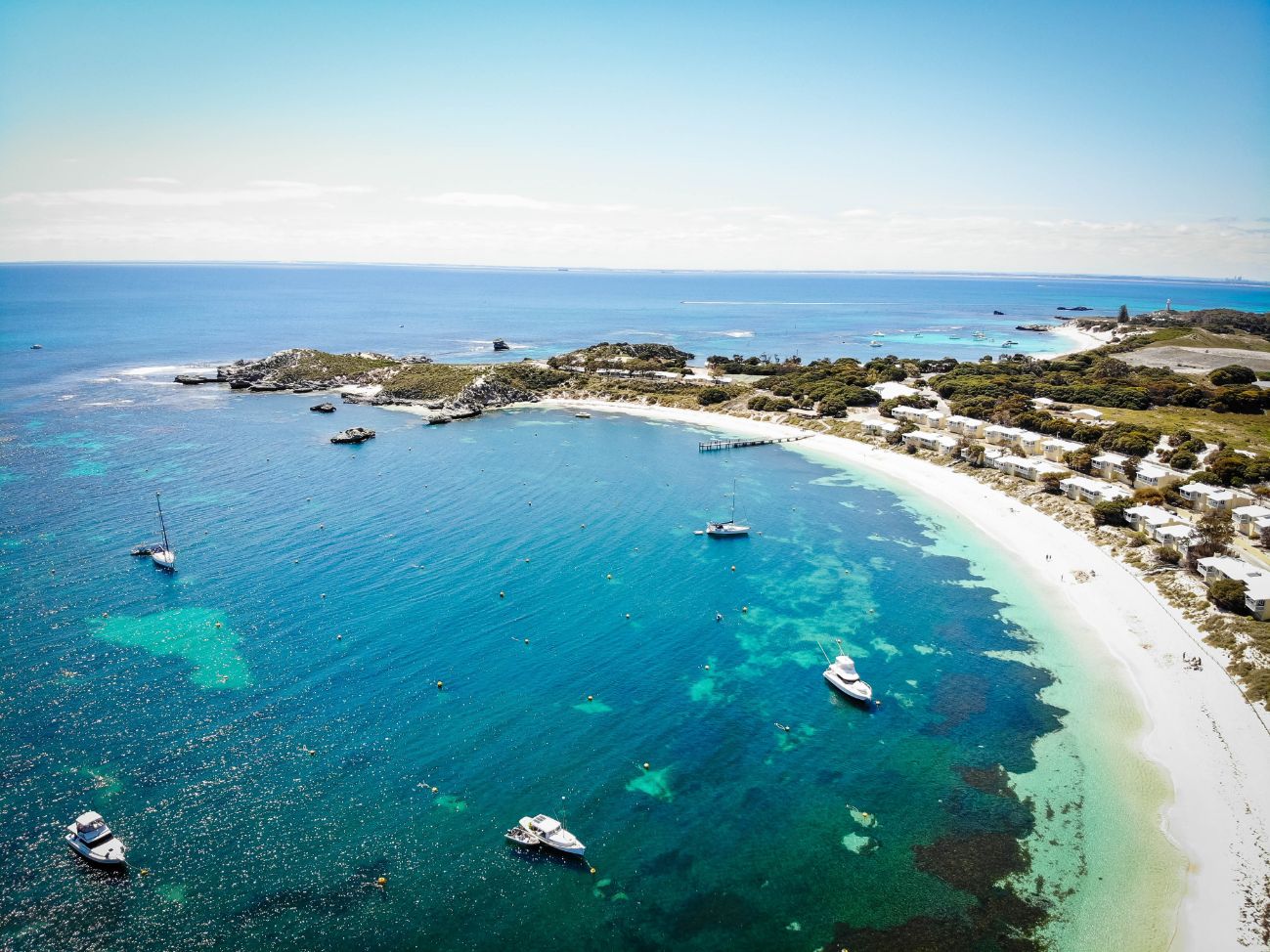
Western Australia’s Rottnest Island, just a short ferry ride from Perth, has been having its day in the sun.
Prior to COVID-19, the idyllic, previously under-the-radar island had been experiencing an influx of tourists, thanks to various celebrity sightings and those famous quokka selfies. And now, local visitors can cycle around 10 kilometres of freshly resurfaced roads and paths on their way to visit the isle’s white sands and clear waters.
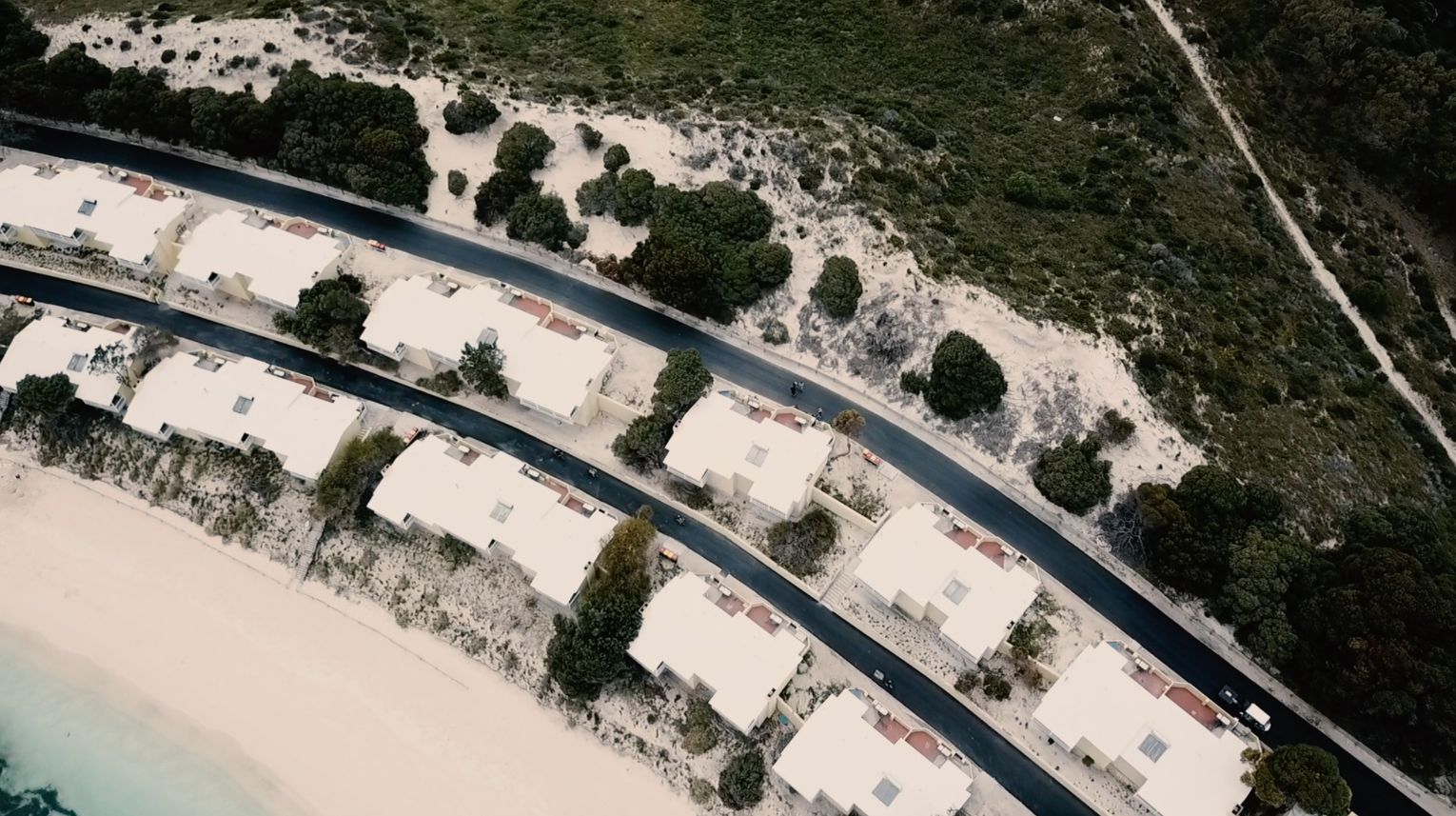
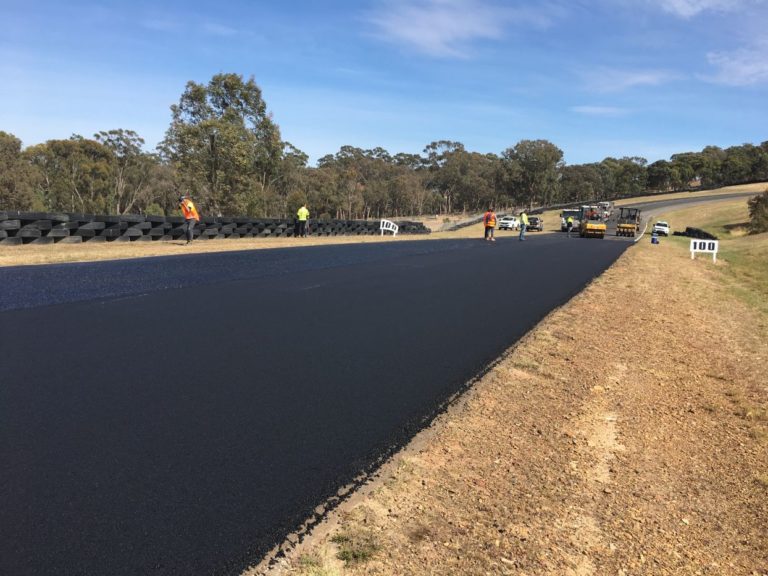
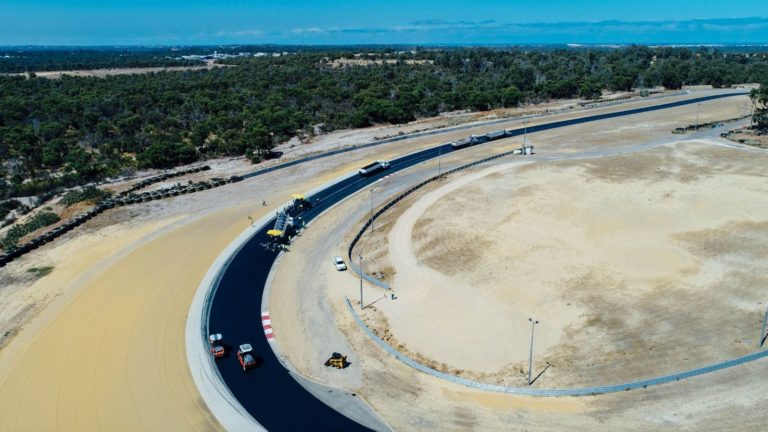
Rottnest Island’s local road network was primarily spray sealed in the past, and Asphaltech was employed by Keslake Group (contracting for Main Roads Western Australia (MRWA)) to resurface 30 settlement roads on the island with approximately 4000 tonnes of dense graded asphalt.
Asphaltech was also asked to design and manufacture several asphalt mixes that not only met a very stringent performance requirement under MRWA specifications and standards, but would also provide extended life expectancy for the road network.
Working to a tight, firm deadline provided by Keslake and MRWA, Asphaltech set up a full-time asphalt testing laboratory on the island to guarantee the highest quality asphalt would be produced, in time and on budget.
A Green Focus
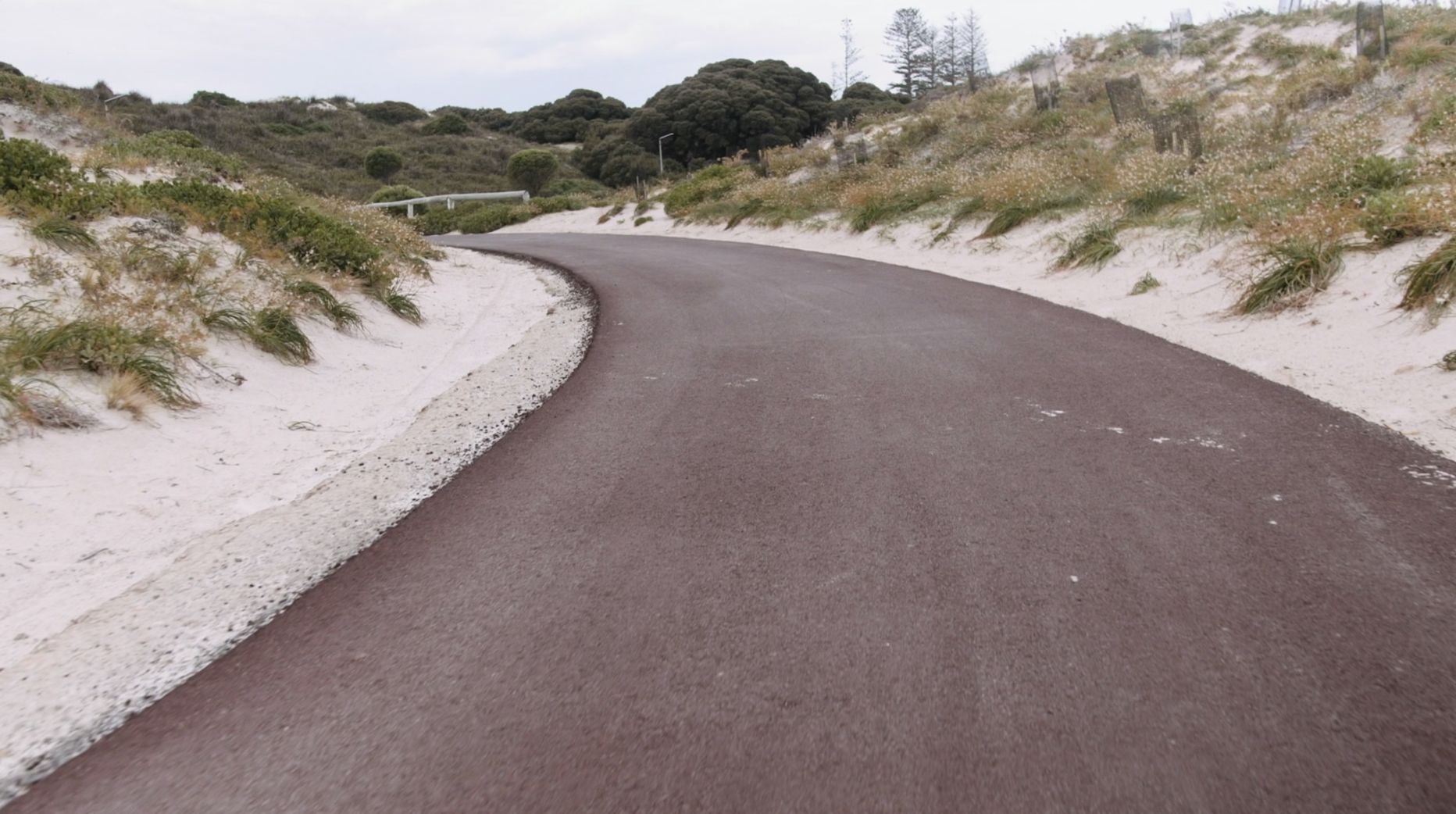
Various asphalt mix types were used to complete the aesthetically sensitive black and red works in time, including 7mm 50Blow for the residential road, 14mm 75Blow Intersection Mix for the main access road and 7mm Gravelmix + 1.5% Red Oxide for the residential road in the village centre.
Perhaps the largest of the project’s challenges was Rottnest Island’s status as a Class A Reserve, meaning the island provides a critical habitat for a range of unique animal species, including the vulnerable Quokka, which is native to the island.
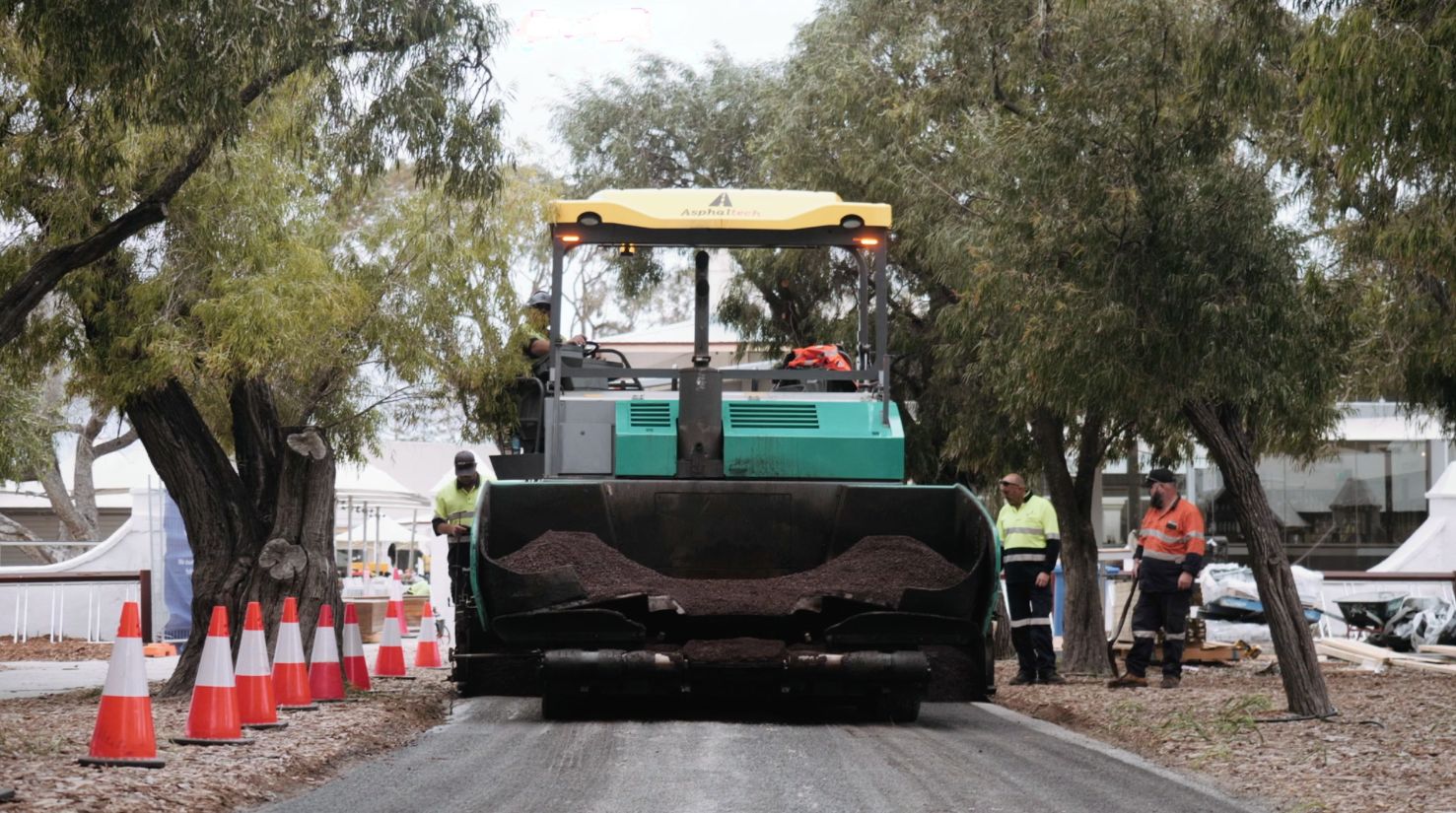
Asphaltech therefore took the utmost care to protect the environment throughout the job, paying particular attention to noise control as well as machinery operating speed to ensure any disturbances to the natural surroundings was minimised.
Challenges and Commendations
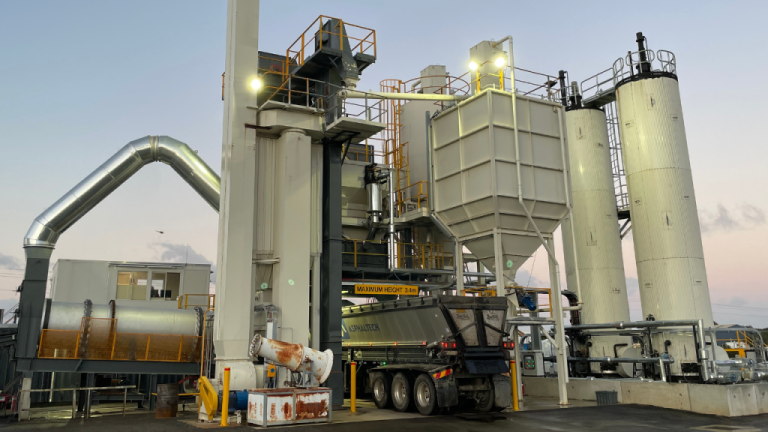
Rottnest Island’s isolated location, 18 kilometres from the mainland, also provided logistical obstacles. Transporting all the required materials (hot bitumen, raw aggregate and additives such as hydrated lime and red oxide) as well as paving gears and a mobile asphalt plant onto the island was particularly challenging. But working with Keslake Group, Asphaltech successfully planned and executed both the manufacturing of and laying of the asphalt without any interruption and delays.
Asphaltech also took measures to ensure other parties on the island – such as tourists, Transperth buses and workers on other construction sites – were not disrupted as a result of the works, and the MRWA superintendent commended the Asphalt lay crew on their workmanship at the project’s completion.
The first asphalt resurfacing campaign to ever be completed on Rottnest Island, Asphaltech’s works have improved the ageing road surface for the island’s bus service, improved pedestrian and cyclist amenity and increased the life-span of the island’s roads.
The extensive road upgrade is part of the West Australian State Government’s four-year, $21-million Rottnest Island funding boost, which will see vital maritime infrastructure upgrades at Rottnest Island, including reconstruction of the fuel jetty.